by Neil Kearney | Feb 22, 2016 | For Buyers, General Real Estate Advice, Real Estate 101
During 2015 43% of all homes sold in the City of Boulder sold for more than asking price (see more context in my year end report) . Presumably most of these homes had multiple buyers making competing offers. So what does it take to be the winner of a multiple bid situation? Here are seven strategies for winning multiple offers. I liken these ideas to a set of arrows in a quiver.
- Price – The most effective way to win the hearts and minds of a seller is to give them the most money. In theory it’s easy give them more than anyone else. In practice, given limited information, it’s very difficult to know what others who are exactly in your position will do. On average in 2015, those homes that sold for a price over asking price sold for 4% above. The range is from just a few hundred dollars over to 20% over. Now that’s using a sharp and effective arrow!
- Escalation Clause – This could be a subheading under price but I think it’s worth giving it top billing. An escalation clause is a paragraph inserted in the contract which states; that the buyers agrees that if their offer isn’t high enough their offer will be automatically increased to beat any competing offers by $X,000 up to a cap price. Some sellers and their agents announce that they will not accept escalation clauses because they view them as a hedge (we are willing to go higher but only if we need to). For a buyer an escalation clause is a good way to state your intentions to the Seller without paying way more than you need to. If a buyer is going to use an escalation clause, I recommend that the contract price be strong as well. If you offer $10,000 lower than asking price but are willing to go up t0 $30,000 above if pushed the seller may not see this as earnest as an offer who offers $25,000 over the asking price right off the bat.
- Financing – Sellers want the most money with the smallest potential of the contract cancelling. It doesn’t do any good to get a great price and then not be able to close. As a buyer you can tie into this fear by making your financing as clean as possible. Cash is king. And it removes many contingencies as well. But if you don’t have cash you can do well by having your financing in order. Get pre-approved not just pre-qualified. Have your lender picked out. Choose a local lender. Make sure your lender is available to answer questions about you.
- Waive the Appraisal – Your lender will require an appraisal but if you are putting enough money down you can still waive the right to object to the appraisal. In a fast appreciating market the appraisal contingency is something sellers worry about and if the appraisal doesn’t match the price as explained in #1 above the transaction has a real chance of not closing. But as a buyer if you are putting enough money down (think at least 25%) you can talk to your lender and see if waiving the appraisal provision is a possibility.
- Inspection – Some buyers come in really strong during the negotiations and then try to re-negotiate during the inspection period. As an earnest buyer you can promise the seller that you will not negotiate after the inspection. To do this we add a clause to the contract that states that the buyer will take the property in as-is condition but that they still retain the right to terminate the contract if they find something big or unexpected during the inspection.
- Personal Letter – Earlier this year I had a listing that received three offers. The two best offers were nearly identical; same price, same escalation clause, closing date within a week of each other, local lenders with the same down payment. There was nothing in either of the contracts that was swaying the seller. The only difference was that one buyer sent with their offer a personal letter that introduced themselves and let the seller know how much they loved their home. Winner, winner chicken dinner!!
- Clean Contract – Your agent needs to do their part by writing a “clean” offer. This means that the contract is filled out correctly, all required paperwork is attached, all dates in the offer are reasonable and make sense, all negotiable payments like HOA transfer fee and title closing fee are at least split if not. Small things that cost a few hundred dollars can make all the difference when you are competing. Also, if you like working with your agent chances are that the listing agent likes working with them as well. This cooperation is essential and it’s a feather in your cap to work with an agent who has experience and is known as easy to work with. Working with an agent with a tag line of “The Enforcer” (this is made up) may be an indication that they may like to fight and win and not cooperate. When given a choice agents like to work with other cooperative agents.
Good luck out there. These multiple offer strategies have worked well for my buyers over the past couple of years. If you are looking for quality representation please let me know.

by Neil Kearney | Dec 18, 2014 | For Buyers, General Real Estate Advice, Real Estate 101
 Here are some of the reasons why people buy their first home.
- Tired of paying rent / rents are rising.
- Home prices are rising and if they don’t buy now they might be priced out of the market.
- Just got married.
- Just got a great new job.
- All my friends are buying a place and it seems like a good idea.
All of these reasons are reasonable, but none of them hit on the key factors that a first time home buyer should consider when they are thinking about buying a home. They can push you in the right direction but they don’t ensure an intelligent purchase.
Buying a home is one of the best ideas you can make. It is a great long term investment, your payments are tax advantaged, with each payment you are gaining equity and you get to live in a place you can make your own. It’s a win, win, win! However, the keys to making it a good investment have much to do with your stability and your budget.
I mentioned in the previous paragraph that owning real estate was a great long term investment. Unless the market is appreciating very quickly you will be doing very well to break even if you need to sell within two years. Real estate is cyclical so not everyone gets lucky and makes the purchase right before prices take off. In many markets prices are just now getting back up to 2007 levels after a big decline. If you bought in 2006 and needed to sell in 2010 you lost money. So the first question to ask yourself when you are considering a home is: “How long will I be living in this house?” If you answer is less than five years it might be better to rent. A key to making real estate an investment, not just a place to live is the ability to wait out market cycles.
Besides geographic stability the other main thing to consider is affordability. The first step to figure out what is affordable is to take an in depth look at your finances. Examine your long term financial goals such as savings, retirement, kids college, vacations, etc., and figure out how to make it all fit within your budget. When you know your comfort level regarding monthly payment call a mortgage lender to get pre-approved. Most likely you will be approved for more than what you are comfortable paying. If you over-extend yourself with your new house you will feel burdened instead of smart. Pick a payment that is comfortable for you and that allows you to keep your savings and lifestyle goals in tact.
Some practical considerations regarding affordability:
- Plan ahead for future changes in income. Do you plan to become a one income family after you start a family? Don’t lock yourself into a payment that requires two incomes.
- Have you saved enough of a down payment? Low down payment options are available but they require an additional payment called mortgage insurance. If you have less than 20% down it might be a good long term decision to delay the purchase and save every penny you can until you have what you need.
- As interest rates rise your payment dollar buys you less house. If you are almost ready to buy and your qualification is right on the edge it might be good to lock in a home before interest rates rise. To read more about how much this can affect your payment see my article The Impact of Interest Rates on Home Affordability.
- Credit scores have a huge impact on your ability to buy a house. If you have a credit score of less than 760 your qualification or the interest rate you are offered will be negatively affected. To check your credit score for free (with no strings attached) go to www.AnnualCreditReport.com. If you find out that your credit score will negatively impact you, figure out why your have a low score and start fixing your FICO score.

by Neil Kearney | Dec 8, 2014 | General Real Estate Advice, Real Estate 101
In Colorado, when there is more than one buyer or entity purchasing real property, the buyer(s) can specify how they will hold title. On the Colorado approved “Contract to Buy and Sell Real Estate” in section 2.1 buyers have the option to take “title to the Property described below as Joint Tenants, Tenants in Common or Other. Below I will spell out the main differences between joint tenants and tenants in common.
Joint Tenants
Joint tenancy is characterized by right of survivorship. When a property is owned by joint tenants, and one of the owners dies, the interest of the deceased owner automatically gets transferred to the remaining surviving owners. For example, if five joint tenants own a house together and one of them dies, each of the four remaining joint tenants ends up with 1/4 share of the property. Regardless of what the deceased owners will says. In 2008 the laws were changed to allow for unequal interests in the property by the owners. For example, instead of an elderly parent owning a 1/2 share along with their child to whom they would like to leave the house, the ownership could be split 99% / 1%. When the parent dies the child would then own 100% interest in the property.
Joint tenancy is most often used by married couples or multi-generational families who own real estate together.
Tenants in Common
There are three main differentiating characteristics of tenants in common ownership. The first is, like joint tenancy the ownership interest can be split up into different percentages. For example Owner A can own 60%, Owner B 15% and Owner C 15%. The second feature is that the mix of owners and the percentage of ownership can be changed at any time. Owners can be added or subtracted at any time by mutual execution of legal documents. Tenants in common doesn’t have rights of survivorship. If in our example Owner A dies, his 60% interest would go to his estate unless his will specifies that his interest shall be split between the remaining parties.
Tenants in common is most often used by unrelated parties such as friends, un-married couples, business partners or family members where one person is putting down more assets than the other.
This article isn’t intended to give legal advice. Please seek professional guidance when making legal decisions.
by Neil Kearney | Dec 4, 2014 | For Buyers, Real Estate 101, Statistics
 Most real estate buyers can’t afford their home. A first time buyer who saves up for a down payment, has good credit still can’t afford their home. Being able to afford their home means paying cash. When a buyer says that they can afford a $300,000 home for example what they actually mean is that their budget allows for them to afford the payment on the mortgage that goes along with a purchase price of $300,000.
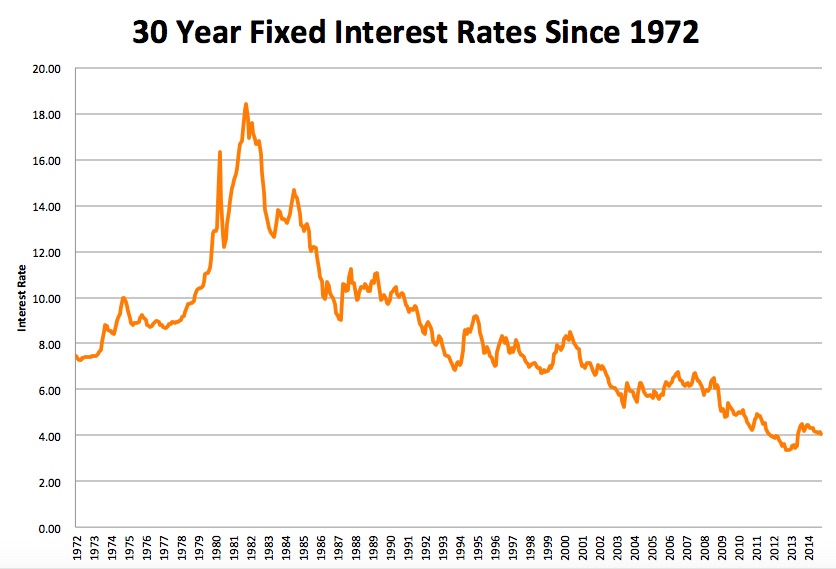
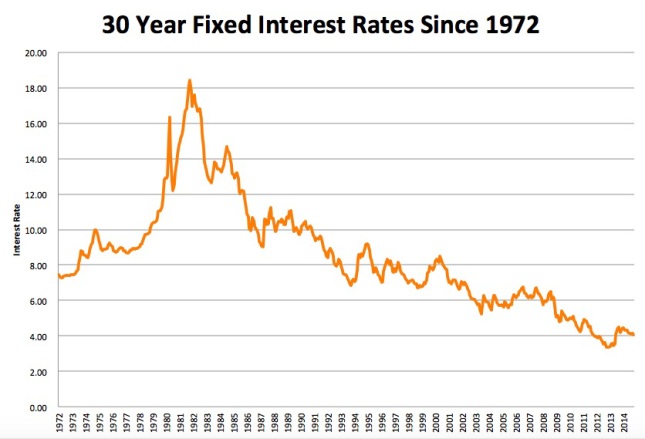
When a buyer is in the market for a home, the search process is usually short enough so that the mortgage interest rates are relatively stable. But this is not always the case. For a long time now, interest rates have been historically low but as you can see from the attached graph they are still historically VERY LOW. At a recent meeting I attended, the Chief Economist of the National Association of Realtors predicted that interest rates would rise .5% by spring and be up near 6% by the end of 2016. These are big jumps in a market where we have gotten very used to low rates. I fear that many potential buyers are beginning to expect the rates to stay where they are. And I hate to be the bearer of bad tidings, change is the only constant and the cycle for increasing interest rates is coming. When I broke into the real estate business as a green agent in Boulder Colorado in 1992 8% was a great rate. Now 4% is considered a great rate.
So when interest rates do go up the issue will not be how expensive a house you can afford, it will be how big a payment a buyer can afford. So, let’s look at how sensitive a payment is to changes in interest rates. This is called payment elasticity. Let’s consider the following scenario.
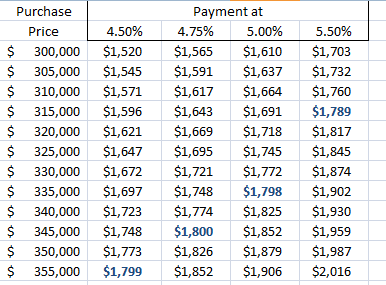
- A buyer has been pre-qualified for a mortgage payment (not including taxes or insurance) of $1800 per month. Let’s assume a current interest rate of 4.5%, at this rate they qualify for a top home price of $355,000.
- They are excited about their home search and on their first time out with their Realtor (hopefully me :)) they see some really great homes. They are happy with the type of home they can get, but decide to keep looking.
- They have a trip planned and then people coming into town, so they are not able to look at homes for a number of weeks. After that they find that there isn’t much to look at. The time between first looking at homes and their second viewing trip is two months. During that time interest rates increase from 4.5% to 5%. The next time out they find a house listed for $355,000 and write an offer for $350,000. The offer gets accepted and everyone is really excited until they talk to their lender who informs them that “interest rates have increased and they can no longer qualify for the house they have a contract on. Their top price range is now $335,000”. Crushed! Disappointed! Upset! Betrayed! These are just a few words that come to their minds as they quickly cancel the contract.
It’s called interest rate risk and it can really happen. In my scenario, the buyers lost $20,000 of purchasing power in a short amount of time as interest rates climbed just 1/2%. To see how this looks with real payments take a look at the chart below. In this scenario for every 1% increase in interest rates they lose $40,000 of purchasing power. If in our scenario the buyers find a way to qualify their payment just went up $106 per month or
 Moral of the story – Don’t ignore interest rates. If you are happy with your payment and happy with a house, jump on it. This could become an issue in the near future.
My source for the historical interest rates is FeddieMac

by Neil Kearney | May 23, 2014 | For Sellers, Real Estate 101, Uncategorized
 Selling a home can seem like a daunting process. Especially if you haven’t done it before. There are many facets to the process and enlisting a good Realtor is a very important piece of the puzzle. I help people list their homes all the time and for many it’s their first time. Here is a detailed overview of the process of selling your home.
Preparation
There are three factors in which your home will be judged; location, condition and price. Location is fixed, after you purchase the property you can’t do much about it. An appropriate price can make up for deficiencies in the location and condition. Condition is what you, as a seller has most control over. The question you should be asking yourself as you prepare your house for the market is “how will my house compare with others in this neighborhood and price range?”. If your home compares well, you will be rewarded by your home appealing to more buyers and this will result in a quicker sale and more money. Your home needs to have finishes that appeal to buyers and be in really good showing condition. This article on when to upgrade may be of help to you as you consider some last minute upgrades to your home. Here are some tips on getting your home ready to sell. Your Realtor will be able to give you advice as to what needs to be done. Here is an article on the top 5 ways to maximize value that you may be interested in reading. Be sure to have the house ready for photos. The photos posted represent the initial showing for all potential buyers. If the house doesn’t look good in the photos many buyers won’t take a look in person.
Another part of the preparation process is to review and sign the listing paperwork prepared by your Realtor. Filling out a Sellers Property Disclosure is part of this process. In Colorado there is a standard form which helps in this process. My advice as you fill out this form is to be through and clear in your disclosure. Don’t leave the buyer asking for more information. If you indicated that you have had a past roof leak give all the information you have; when it happened and how it was fixed. In my experience, the more information on the disclosure, the more confidence the buyers have in the sellers and the transaction. This is also a good time to gather any documents that would supplement the disclosure. You will be asked for these in the buy/sell contract so it would be good to start gathering anything that is of material fact about the house (roof warranty, survey, past inspection, insurance claim, etc.)
 Showings
In order for your house to sell it must make an emotional connection with a buyer. In order to make an emotional connection with a buyer your house must be a clean and inviting environment. They must be able to picture themselves living there. Here are a few tips for creating a successful showing.
- Leave it to the buyers – Many Sellers think that they can be of help during a showing, answering questions or giving a tour. This is what the buyers agent is for. Sellers get in the way and buyers tend to rush through and showing and are not able to talk openly about the home.
- Light and Bright – It’s best if the house shows brightly. This means that the blinds are open, interior doors are open and many of the lights are on.
- Neat and Clean – You only have one shot to make a first impression so make sure that the house looks as good as possible as you leave each morning.
- The Extra’s – You may want to go the extra mile and put out refreshments and play some tasteful music. These are not required and especially with the music should be done with discretion. When there is music being played I usually turn it down to see what noises the music is covering up.
Offer
If all of the above goes well you can expect an offer! In most cases the buyer has their own agent who represents them and will prepare and deliver the offer to your agent. Your agent will then meet with you to discuss the merits of the offer. Some of the criteria your agent will help you think through are: price, closing date, financing terms and qualification, inclusions, inspection dates and additional provisions.
 If you are lucky enough to get multiple offers you will want to read this article. In a normal situation you will have one offer who will submit an offer that isn’t exactly what you are offering. Your agent will then help you formulate a negotiating strategy and prepare a counterproposal to send to the buyers. This process continues until the buyers and sellers reach an agreement or it doesn’t come together and you wait for a new buyer.
From Contract to Closing
Finding a buyer and agreeing to an acceptable price and terms with a buyer is one of the high points of a real estate transaction. No more daily showings, no more uncertainty, making plans for the future, it’s exciting stuff. But then comes the realization that you are only part way to the finish line. There is still work to be done. This is a checklist of items that the seller is responsible for between contract and closing.
Order Title Commitment – In Colorado the seller is responsible to providing the buyer a title insurance policy in conjunction with a real estate purchase. The first step of this process is ordering the title commitment. The listing agent usually handles this for the seller. This is also a great time to provide to the title officer the information on your existing loans which will need to be paid off at the closing.
Homeowners Association Documents – As per the Colorado approved real estate contract the seller will provide the buyer a copy of the relevant HOA documents. This shall include bylaws, rules and regulations, financial documents, minutes from the most recent meetings. Again, this is something that the listing agent usually tries to supply (at least I do) but sometimes the information is embedded in a members only website and the Realtor might need help with this.
Gather Paperwork – The buyer will want to have any relevant documentation regarding the home. In conjunction with the disclosure requirements the seller must supply the buyer any prior inspections or reports that give insight to the condition of the home. This would also be a good time to gather any manuals and warranties and set them aside before your packing gets into full gear.
Prepare for Inspection – Just because most of the showing activity has subsided it doesn’t mean that you are off the hook for keeping the home looking good. I would argue that the inspection is your most important showing and the house should be prepared as well as possible. In addition to the general cleanliness here are a few tips to help the inspection. Replace the furnace filter and clean the humidifier filter if you have one. Move boxes and or furniture away from access points for plumbing, heating and electrical. It is common that a buyer will perform a radon test and the protocol for a radon test is that the house will be closed up for 12 hours prior to closing as well as 48 hours throughout the test. However, it is a really good idea to “air out” the lowest level of the home prior to the closed house conditions.
Make Your Arrangements – Start making arrangements for moving, storage, packing and cleaning. Consult with your Realtor so that you are sure that you understand the timing of when you need to be out and cleaned. After the inspection it is also a good idea to contact the utility companies to let them know about an upcoming transfer in service. Once the deal is rock solid, put in your change of address request to the postal service.
Inspection Items – Once the inspection has been done and the agreements surrounding the inspection has been made, some work will need to be done. My advice here is to get the work done as soon as possible, don’t cut corners and follow the letter of the agreement to a “t”. The listing agent is there to help you get this work done if you need help.
Clean and Closing – The days surrounding closing will be busy days. You will need to pack, clean and supervise work maybe at two locations. My advice regarding how you leave the home is based on two things. Look at the contract and make sure you are doing the minimum required and then consult the Golden Rule. How would you really like a home to be left for you? When the house is really left in good shape and the buyers feel that they are being treated well, the closing is much easier for all involved.
 Costs
Costs
Many of the traditional closing costs like appraisal, discount points, inspection fees are handled by the buyer but here are the costs that the seller is responsible for.
Commissions – The commission fee that you agree to with your agent when you sign the listing papers includes fees for both the listing agent and buyers agent.
Title Insurance – Sellers in Colorado customarily pay for the title insurance policy that insures that the property is transferred free and clear. The fees vary on sales price but a typical fee for a $400,000 sale is around $1,450.
Paying off and Settling up – At closing the title company will make sure that all of the financial obligations of the seller regarding the house are settled. This means paying off any loans or liens and prorating the taxes (don’t forget they are paid in arrears) and HOA fees.
This list is based on my experience and is from the sellers perspective for a sale in Colorado. If you hire a good listing agent, many of these items will happen seamlessly and you will be left to focus on getting your stuff packed and ready to go. I have been a Realtor based in Boulder Colorado since 1991 and I love doing those small things that make it easier for you. When you are ready to list, give me a call – Neil Kearney 303-818-4055
by Neil Kearney | Mar 13, 2014 | For Buyers, For Sellers, General Real Estate Advice, Real Estate 101, Uncategorized
Home ownership is a long term relationship. And just like other long term relationships in our lives, it needs constant attention and care.
Let’s imagine a typical situation. A family purchases a new home and uses most of their savings to do so.  The first few years are spent installing landscaping and furnishing and personalizing the rooms. Everything is new and fresh and all is good with the world. After awhile the house is either just the way you want it or good enough. For a long time the homeowners live happily in the relatively new home, not much to be done but enjoy.
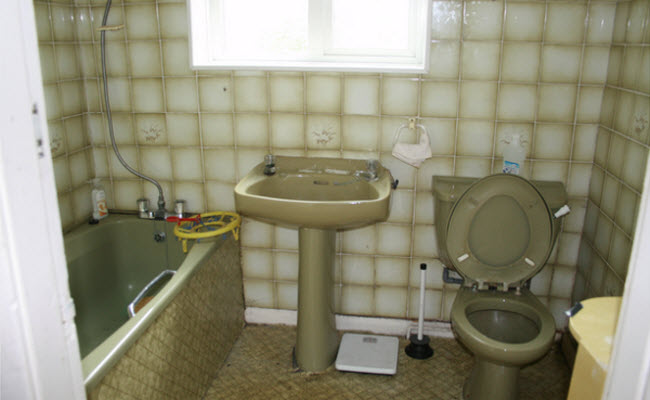
As many years go by the house starts showing some wear and tear and features that were once fresh and hip are now showing up on the “before” side of the “before and after” shows on HGTV. But the house still works so you live in it and fix something when it breaks. Unexpectedly you get a new job out of town and you have to sell your home in a hurry. Your realtor comes in for a meeting and nicely tells you that your home is dated. There’s not enough time or money to upgrade everything at once so the only option is to set a low price and hope for the best. It might take many years to get to this point but I see it time and time again.
The other option is to proactively upgrade your house over time. Yes, there is a honeymoon period on a brand new home where you don’t need to upgrade, but after five or six years you will want to start looking at your property with a discerning eye to determine what project is next. When you take one reasonable project at a time you will be continually improving your investment. Using this strategy you will not only keep your investment on the top end of neighborhood values you will be able to enjoy and take pride in your house as you live in it.
Here are some ideas of yearly projects to consider for your home:
- Replace flooring in a bathroom.
- Upgrade the light fixtures throughout the house (sconces, bathroom light bars, chandeliers)
- Upgrade the countertops in the kitchen
- Replace the furnace and air conditioning
- Re-carpet
- Replace the vanity in a bathroom
- Paint the exterior or interior of the home
- Replace the front concrete walk with something more eye catching
- Replace the appliances (non matching appliances are not a good selling point)
- Re-stain or install a new deck
Take on one project a year and when the time comes to sell you will be ready to maximize the value.