There are many tactical ideas about real estate negotiation but in my opinion not enough is said about the emotional relationship between a buyer, a seller and an agent. Buyers and sellers don’t often meet in person. This can be a very good thing in many ways because the agents take the direct confrontation out of the process. But the downside of this lack of interaction is that buyers and sellers don’t get a chance to make a personal connection. They don’t get a chance to like each other. Their first interaction is the offer for purchase and this can be a very explosive introduction. “Hello Mr. Seller, nice to meet you. You don’t know me but I like your house but I think you are stupid to ask that much. I only think your house is worth $xxx. Oh, and by the way I want to keep your refrigerator, your window coverings and your grandma’s chandelier.” This usually doesn’t inspire an invitation to dinner.
Stephen Covey’s idea of an emotional bank account in “The 7 Habits of Highly Effective People” can be easily translated to the parties in a real estate transaction. Watch the video to see what a buyer, seller and agent can do to make friends with the other sides of the transaction. In doing so, negotiations will go much more smoothly and buyers and sellers won’t mind sitting together at the closing table (this by the way is getting less common).
Advice for Home Buyers:
Don’t make an unreasonably low offer.
Don’t ask for personal items which have been excluded from the sale.
Don’t be unreasonable and uncaring toward the seller.
Do write a personal letter so that the sellers can get to know you as a person (family).
Do compliment them on their home.
The goal is for the seller to want you to live in their home.
Advice for Home Sellers:
Have the house in tip top showing condition.
Fill out all disclosures accurately and thoroughly. Don’t try to gloss over the details. Giving more detail will earn the Buyers trust and respect.
Respond to offers quickly.
Keep the communication lines open.
Advice for Realtors:
Treat the other Realtor with respect, courtesy and go in with a win-win attitude.
Remember that you are not the one who is buying or selling. So don’t make decisions for your client. Lay out the options and let them decide.
Many times you will see “Home Warranty Included!” on a property listing. This sounds good right? But many times prospective buyers who negotiate for home warranties have the wrong idea about what a home warranty is and what it covers. Here are some answers.
A home warranty is basically a very limited insurance policy that covers certain home systems and appliances for a fixed time period. Usually when a home warranty is provided as a buyer incentive the warranty is good for one year after the closing. The cost of basic coverage is typically $275 – $400 and covers plumbing, heating, electrical, major appliances and water heater. There are limitations in coverage and plans do not cover preexisting conditions. Home warranties do not cover mold or structural damage.
Once the warranty is in place the new owner would call the warranty company first when an issue that requires a repair person to be called. The warranty company contracts with certain companies and sends them out to diagnose and fix the problem if it is determined to be covered. At the time of repair the owner pays a deductible. The owners share is usually around $50 to $60 per occurrence.
So is it worth it? Just like any insurance policy you need to weigh the probability of something happening and the severity of the cost if you didn’t have coverage with the cost of the coverage upfront. If someone else is paying it is definitely a good thing to have. If you are paying $400 year after year it may not pay off in the long run but it is an amount that is easy to budget and you won’t be surprised one year by needing a new furnace etc. The other consideration is the age of the home. If it is a newer home the chances of having a problem each year are relatively low. If you have an older home with older appliances the chances of needing repairs on a consistent basis increase.
Here are some home warranty providers in Colorado:
In order to sell a house in today’s real estate market a house must make a compelling case to the market. Some things like neighborhood and location within the neighborhood you can’t control. But set those aside and you are left with two key variables that are controllable and important to the sale.
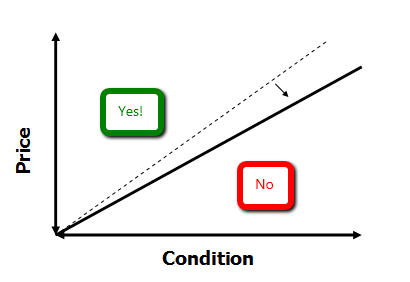
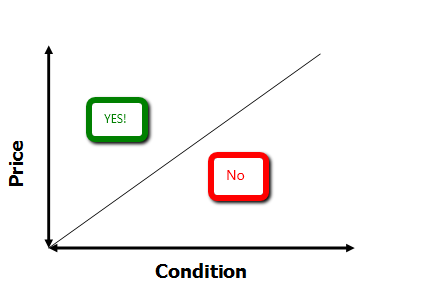
What I’d like to talk about today is being competitive in the market. The main variables a seller has control over is the price they ask for their home and condition and/or upgrades of the home. I have represented these two variables on an axis below so that I show you what I’m thinking. Basically, if your home is in great condition (and I mean exceptional) you can ask a high price compared to similar homes on the market. If your home is in poor shape you have to ask a lower price. This is not rocket science but it gets trickier when a house is somewhere between the extremes. It is in okay condition and has a middle of the road price. Looking at the chart below you can see the line running at 45 degrees. Think of this as the success line. Every house that fits above the line (price vs. condition) will most likely end up in a successful sale. Every home below the line will wallow until the price or the condition changes enough to get it above the line.
Right now the market is fairly slow. There are fewer buyers out there. This means that competition for sellers is tough. In order to be compelling to the small pool of buyers they have to bring a more compelling product to the market. This means that the line has shifted, sellers have to either improve their home to sell it for the same price or reduce their price to make it work.
Knowing where you are is the tricky part. I help my clients by giving good feedback and keeping them abreast of the market as it changes. The information you used to list your house is no longer valid. Get it priced right and have your house show the best it can. If you can’t afford to make improvements up front, lower your price. It’s simple economics.
The end of January is when the real estate market in Boulder Colorado just starts to get moving. New listings are coming on the market full of hope. But what if you have been on the market for awhile? Here are a few tips to make sure you haven’t lost your showing edge.
Here is the typical scenario; During the first few weeks it is common to have many showings because there is a pool of buyers waiting for new listings. Once the initial few weeks have passed that the showings slow considerably and only new buyers to the market set up showings. So what if your house was not priced correctly or did not otherwise compare well with the competition and remains on the market without offers or interest. I have recently shown homes that have been listed for close to a year. What if you own one of these homes and need to get the house sold. Here are some ideas:
Lower the price – The market has spoken and if your home has not sold in a reasonable time as other homes in the neighborhood get listed and sold, your price is too high.
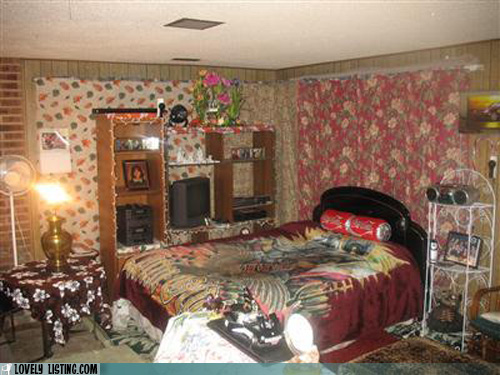
Make the house look better – Sometimes you have to spend money to make money. Take an objective look at your house, maybe it needs a paint job, some new counter tops or a replacement for the green shag carpet. I have nothing against green shag, I grew up with green shag. I love it, you love it but buyers DO NOT love it.
Do some staging – Maybe you have all the pieces, but they are all in the wrong places. A little staging goes a long way in making that all important first impression.
Make sure your curb appeal is the best on the block – Do some landscaping, buy some flowers, or this time of year make sure the snow is shoveled.
I get calls all the time asking for advice on whether it would be smart to do a particular remodeling project around their home. Many times it is tough for me to make the call for them. I look at houses all the time and see what buyers like but in most cases improvements don’t pay off right away. For instance according the Remodeling Magazine’s Cost vs. Value Report 2010-2011 a two story addition in the Denver area will cost $155,903 and give added resale value of $118,301. This means that an owner could expect to get about 76% of the value out of that project. Not exactly a strategy from the pages of Trump – The Way to the Top.
Okay, we have established that you won’t get back all of your money if you do a home project but what if that scares you into paralysis? Say you have owned your home for 15 years and during that time you have done nothing but change the filters in the furnace. This strategy, in my opinion works even worse than improving your home right before closing. In the case of the do-nothings, the value of their home will lag behind the neighborhood in general. Their home will stay on the market longer and in the end sell for a lower price. Again not a way to get rich quick.
I think the best strategy for maximizing the value of your home over time is to make incremental changes over time. Take on a project every six months or 1 year. For example, take a six month period to remove the old wallpaper and repaint. Next, re-do the powder room by removing the wall sized mirror and replace with a framed mirror and replace the lighting. Next re-tile the master bath. After a few years your house will start looking refreshed and will be one of the nicer ones on the block. And when you go to sell it you won’t have much to do to get maximum value. Also, you get to live in a much nicer home. Not just fix it up for someone else. There is value in that!
Here is a sample of the value of Midrange projects and their pay back in the Denver market:(ranked in order of pay back percentage):
Garage Door Replacement – cost $1,228 – cost recouped 93.1%
For copyright reasons I can’t display the report on my website but if you would like a copy of the full report which includes midrange and upscale projects and defines the scope of each please let me know. I can send you one if you request one to neil@neilkearney.com.
The recent fires in our area bring to my mind the importance of homeowners insurance. During my 19+ years of selling real estate in and around Boulder homeowners insurance has never been a big part of the transaction. Years back it was a last minute detail, many times lined up the day before closing. Now there is a specific deadline on the contract in which the buyer has the right to cancel the contract if reasonable (in the buyers subjective opinion) homeowners insurance is not available for the property they want to purchase. Usually this contingency period is 10 – 14 days after an accepted contract.
Most people think about insurance in two ways. For 99% of the time they want to know they are covered without paying too much (that’s why the save 15%… commercials have mass appeal). Having coverage brings peace of mind. Once you have a claim your perspective changes. If you have good coverage you are thankful and if you don’t you kick yourself for being cheap. Just think of the 166 families who have come home to their home and possessions which are now a pile of ashes. The pit in your stomach is deep enough without the nagging fear that your coverage is lacking.
So, with this in mind I asked my friend and insurance agent Ryan Brooks from Allstate to give some quick tips on making sure you are adequately covered. Here are a few tips:
Don’t just shop for the cheapest plan out there. Yes it will save you on a monthly basis but this approach is penny wise and pound foolish. In case of a catastrophic loss you could be lacking some important coverages.
The best scenario in setting up a policy is to sit down with an agent (not online) and go over your specific situation. Ask questions and tell them about your personal situation. Do you have art, expensive jewlery, memorbilia? Telling the claims adjuster after a fire will not fly, it needs to be disclosed in advance.
Here are a few items that you want to make sure you have on your policy.
Cost of Living – this coverage gives you money to live in a home of similar size and quality while your home is being re-built or repaired. If you don’t have this coverage it can quickly cost you tens of thousands of dollars.
Adequate Liability Coverage – Make sure you have enough liability coverage. In most cases this is $1,000,000 or more. This covers you if someone would slip and fall off your deck during a party, etc.
Building Codes Coverage – This coverage is especially helpful in the case of an older home. This allows for modification of the house to meet current code if the covered repair needs to be re-worked in order to meet code. Think of an old home with a steep pitched roof.
Condo Coverage – If you are a part of a homeowners association there is most likely a master HOA policy which covers the structure. However, this policy does not cover the individual owners possessions, or the interior finishes (drywall, plumbing , cabinetry, carpet). Make sure your condo insurance has adequate building structures coverage which will rebuild the interior of the unit. Many times this is capped out at 10% of the contents coverage and this is not enough.
Loss Assessments – Speaking of condos. Loss assessments coverage covers you if a covered loss (roof, liability) on the part of the HOA results in a special assessment. This coverage runs around $10 a year and is well worth it.
Sewer and Groundwater – Losses from sewer backup and water coming into the home are not usually covered unless there is a specific rider on the policy.
Personal Property – Make sure the limits on your policy grow over time. The amount of personal property a typical household has grows ever time. We have much more in our home when we are 60 years old than when we were 20.
Once good insurance is in place you can rest easy. Many pay insurance their whole life and never take out, but for those who have a significant loss, insurance is well worth it.
Tip: Take an extensive video of your home, including closets, drawers, garage etc. and store either online (private Youtube) or in a safe deposit box. This will be a good inventory of personal property and will allow you to remember items that would have slipped your mind. Everything has value make sure your homeowners insurance is up to snuff.