
by Neil Kearney | Feb 22, 2016 | For Buyers, General Real Estate Advice, Real Estate 101
During 2015 43% of all homes sold in the City of Boulder sold for more than asking price (see more context in my year end report) . Presumably most of these homes had multiple buyers making competing offers. So what does it take to be the winner of a multiple bid situation? Here are seven strategies for winning multiple offers. I liken these ideas to a set of arrows in a quiver.
- Price – The most effective way to win the hearts and minds of a seller is to give them the most money. In theory it’s easy give them more than anyone else. In practice, given limited information, it’s very difficult to know what others who are exactly in your position will do. On average in 2015, those homes that sold for a price over asking price sold for 4% above. The range is from just a few hundred dollars over to 20% over. Now that’s using a sharp and effective arrow!
- Escalation Clause – This could be a subheading under price but I think it’s worth giving it top billing. An escalation clause is a paragraph inserted in the contract which states; that the buyers agrees that if their offer isn’t high enough their offer will be automatically increased to beat any competing offers by $X,000 up to a cap price. Some sellers and their agents announce that they will not accept escalation clauses because they view them as a hedge (we are willing to go higher but only if we need to). For a buyer an escalation clause is a good way to state your intentions to the Seller without paying way more than you need to. If a buyer is going to use an escalation clause, I recommend that the contract price be strong as well. If you offer $10,000 lower than asking price but are willing to go up t0 $30,000 above if pushed the seller may not see this as earnest as an offer who offers $25,000 over the asking price right off the bat.
- Financing – Sellers want the most money with the smallest potential of the contract cancelling. It doesn’t do any good to get a great price and then not be able to close. As a buyer you can tie into this fear by making your financing as clean as possible. Cash is king. And it removes many contingencies as well. But if you don’t have cash you can do well by having your financing in order. Get pre-approved not just pre-qualified. Have your lender picked out. Choose a local lender. Make sure your lender is available to answer questions about you.
- Waive the Appraisal – Your lender will require an appraisal but if you are putting enough money down you can still waive the right to object to the appraisal. In a fast appreciating market the appraisal contingency is something sellers worry about and if the appraisal doesn’t match the price as explained in #1 above the transaction has a real chance of not closing. But as a buyer if you are putting enough money down (think at least 25%) you can talk to your lender and see if waiving the appraisal provision is a possibility.
- Inspection – Some buyers come in really strong during the negotiations and then try to re-negotiate during the inspection period. As an earnest buyer you can promise the seller that you will not negotiate after the inspection. To do this we add a clause to the contract that states that the buyer will take the property in as-is condition but that they still retain the right to terminate the contract if they find something big or unexpected during the inspection.
- Personal Letter – Earlier this year I had a listing that received three offers. The two best offers were nearly identical; same price, same escalation clause, closing date within a week of each other, local lenders with the same down payment. There was nothing in either of the contracts that was swaying the seller. The only difference was that one buyer sent with their offer a personal letter that introduced themselves and let the seller know how much they loved their home. Winner, winner chicken dinner!!
- Clean Contract – Your agent needs to do their part by writing a “clean” offer. This means that the contract is filled out correctly, all required paperwork is attached, all dates in the offer are reasonable and make sense, all negotiable payments like HOA transfer fee and title closing fee are at least split if not. Small things that cost a few hundred dollars can make all the difference when you are competing. Also, if you like working with your agent chances are that the listing agent likes working with them as well. This cooperation is essential and it’s a feather in your cap to work with an agent who has experience and is known as easy to work with. Working with an agent with a tag line of “The Enforcer” (this is made up) may be an indication that they may like to fight and win and not cooperate. When given a choice agents like to work with other cooperative agents.
Good luck out there. These multiple offer strategies have worked well for my buyers over the past couple of years. If you are looking for quality representation please let me know.

by Neil Kearney | Dec 16, 2015 | For Buyers, General Real Estate Advice |
At the beginning of October new guidelines took affect that changed the way that lenders interact with borrowers. The new TRID rules require earlier and supposedly easier to read disclosures to go to borrowers. Both at the beginning and the end of the process. These new disclosure requirements have lengthened the time it takes to close on a loan and now more than ever it’s important to choose your lender wisely.
In the past it was very common for lenders to swoop in to the closing at the last minute with documents and closing figures. Sometimes this happened the day of closing which left the buyer/borrow in limbo wondering how much money they really needed to bring to the closing. Many times buyers were forced to get a cashier’s check for an estimated amount plus a little extra to make sure and then get a refund from the title company. We’ll the good news is that these last minute shenanigans are no longer possible. It is now required that the buyer/borrower view and acknowledge the newly revised closing disclosure three business days in advance of the closing. This eliminates the last minute paperwork on the day of closing but it doesn’t seem to have eliminated the drama. It has just moved it up a few days.
As lenders are getting their act together and setting up systems around these new rules the disparity between good lenders and the not so good ones has become even more apparent. Here is my wishlist for a lender:
- Do a thorough pre-qualification/pre-approval process so that there are no surprises later. This goes beyond checking boxes on a software program. This involves experience and knowledge that anticipates and handles potential stumbling blocks in advance. In my experience a brand new lender working as a part of a team in a bull-pen at a big national lender doesn’t excel here.
- Communication throughout the process should be easy. Having one person who knows what is going on at all times has been the best scenario for me. Having a team or an office that is handling the loan leads to communication gaps that can last days.
- Having someone who takes personal responsibility throughout the process allows things to get done when the chips are down. I have found that a local lender who is looking to build ongoing relationships with both the borrower and the agent will go the extra mile and get it done.
- Having a lender who has a proven track record is, in my opinion more critical that saving an extra 1/8th of a % point on the rate. Many times the advertised rate doesn’t actually make it to the closing table and having a lender who will get the loan done on time is good insurance. Many buyers don’t realize that if their lender doesn’t perform it’s they who are on the hook. The penalties for not closing range from not closing to not closing AND losing their earnest money. The lender will not pay you back the lost $10,000 even though it was their fault.
I’m writing this because I have three bad experiences with out of state lenders this year that added stress to all involved and definitely put the buyers at financial risk. The first one was a big national company who advertises directly to the consumer on sports broadcasts. This lender seemed organized until a day before the appraisal deadline they asked me, the buyers agent for a list of local appraisers. The appraisal should have been ordered at least two weeks previously and they were just now realizing that they didn’t have one in the queue. It turns out that they needed my help because none of the local appraisers wanted to work with them. The appraisers that I talked to said that they were busy enough and didn’t think that this big out of state company would pay them if the property didn’t close. So in the end they found an appraisal company out of Minnesota, I’m in Colorado, to do the appraisal but that it wouldn’t be in until four days after our scheduled closing date! We were able to extend and close two weeks late but it certainly wasn’t convenient and the buyers almost lost a great price on their townhome.
The second and third instances were with the same bank. This out of state bank offered a great deal to physicians. But their processes were so bad that both closings were delayed and it took some major hand holding by myself and the buyers in order to get it closed. One was a week late and the other was three weeks late. In both instances the buyers were able to get an extension (vacant homes) but it cost them on a per-diem basis. The most frustrating thing about this bank was that there was no-body who took personal responsibility and their internal communication between departments was really bad. When the files went to underwriting they would disappear behind the dark side of the moon for days and or weeks with no news leaking. As we were working hard to finally get a closing disclosure signed the person who was working on it sent it to the title company and then left for the day. Of course there were a few mistakes but nobody to fix them. If it didn’t get taken care of that night it would mean that the closing would move from Friday to Monday and the buyer would incur an extra $600 in fees. Luckily at this point the lead lender was able to rouse some after hours people to make the changes and we closed.
If you’d like to avoid this type of drama use a good local lender. Yes, I have some recommendations. Just ask.

by Neil Kearney | Dec 18, 2014 | For Buyers, General Real Estate Advice, Real Estate 101
 Here are some of the reasons why people buy their first home.
- Tired of paying rent / rents are rising.
- Home prices are rising and if they don’t buy now they might be priced out of the market.
- Just got married.
- Just got a great new job.
- All my friends are buying a place and it seems like a good idea.
All of these reasons are reasonable, but none of them hit on the key factors that a first time home buyer should consider when they are thinking about buying a home. They can push you in the right direction but they don’t ensure an intelligent purchase.
Buying a home is one of the best ideas you can make. It is a great long term investment, your payments are tax advantaged, with each payment you are gaining equity and you get to live in a place you can make your own. It’s a win, win, win! However, the keys to making it a good investment have much to do with your stability and your budget.
I mentioned in the previous paragraph that owning real estate was a great long term investment. Unless the market is appreciating very quickly you will be doing very well to break even if you need to sell within two years. Real estate is cyclical so not everyone gets lucky and makes the purchase right before prices take off. In many markets prices are just now getting back up to 2007 levels after a big decline. If you bought in 2006 and needed to sell in 2010 you lost money. So the first question to ask yourself when you are considering a home is: “How long will I be living in this house?” If you answer is less than five years it might be better to rent. A key to making real estate an investment, not just a place to live is the ability to wait out market cycles.
Besides geographic stability the other main thing to consider is affordability. The first step to figure out what is affordable is to take an in depth look at your finances. Examine your long term financial goals such as savings, retirement, kids college, vacations, etc., and figure out how to make it all fit within your budget. When you know your comfort level regarding monthly payment call a mortgage lender to get pre-approved. Most likely you will be approved for more than what you are comfortable paying. If you over-extend yourself with your new house you will feel burdened instead of smart. Pick a payment that is comfortable for you and that allows you to keep your savings and lifestyle goals in tact.
Some practical considerations regarding affordability:
- Plan ahead for future changes in income. Do you plan to become a one income family after you start a family? Don’t lock yourself into a payment that requires two incomes.
- Have you saved enough of a down payment? Low down payment options are available but they require an additional payment called mortgage insurance. If you have less than 20% down it might be a good long term decision to delay the purchase and save every penny you can until you have what you need.
- As interest rates rise your payment dollar buys you less house. If you are almost ready to buy and your qualification is right on the edge it might be good to lock in a home before interest rates rise. To read more about how much this can affect your payment see my article The Impact of Interest Rates on Home Affordability.
- Credit scores have a huge impact on your ability to buy a house. If you have a credit score of less than 760 your qualification or the interest rate you are offered will be negatively affected. To check your credit score for free (with no strings attached) go to www.AnnualCreditReport.com. If you find out that your credit score will negatively impact you, figure out why your have a low score and start fixing your FICO score.

by Neil Kearney | Dec 8, 2014 | General Real Estate Advice, Real Estate 101
In Colorado, when there is more than one buyer or entity purchasing real property, the buyer(s) can specify how they will hold title. On the Colorado approved “Contract to Buy and Sell Real Estate” in section 2.1 buyers have the option to take “title to the Property described below as Joint Tenants, Tenants in Common or Other. Below I will spell out the main differences between joint tenants and tenants in common.
Joint Tenants
Joint tenancy is characterized by right of survivorship. When a property is owned by joint tenants, and one of the owners dies, the interest of the deceased owner automatically gets transferred to the remaining surviving owners. For example, if five joint tenants own a house together and one of them dies, each of the four remaining joint tenants ends up with 1/4 share of the property. Regardless of what the deceased owners will says. In 2008 the laws were changed to allow for unequal interests in the property by the owners. For example, instead of an elderly parent owning a 1/2 share along with their child to whom they would like to leave the house, the ownership could be split 99% / 1%. When the parent dies the child would then own 100% interest in the property.
Joint tenancy is most often used by married couples or multi-generational families who own real estate together.
Tenants in Common
There are three main differentiating characteristics of tenants in common ownership. The first is, like joint tenancy the ownership interest can be split up into different percentages. For example Owner A can own 60%, Owner B 15% and Owner C 15%. The second feature is that the mix of owners and the percentage of ownership can be changed at any time. Owners can be added or subtracted at any time by mutual execution of legal documents. Tenants in common doesn’t have rights of survivorship. If in our example Owner A dies, his 60% interest would go to his estate unless his will specifies that his interest shall be split between the remaining parties.
Tenants in common is most often used by unrelated parties such as friends, un-married couples, business partners or family members where one person is putting down more assets than the other.
This article isn’t intended to give legal advice. Please seek professional guidance when making legal decisions.
by Neil Kearney | Aug 19, 2014 | For Sellers, General Real Estate Advice
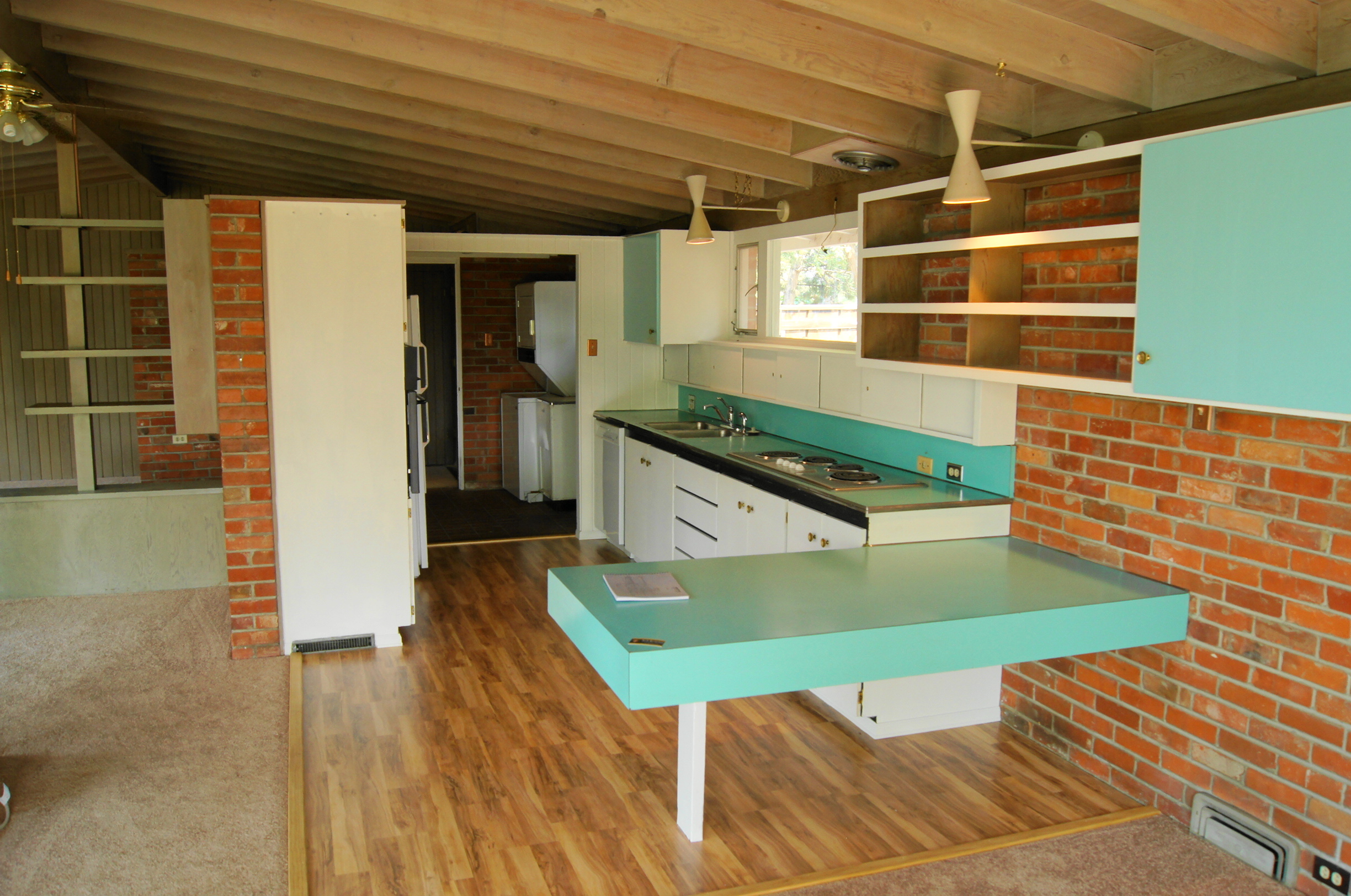
 As a Realtor, I see many houses each week. Each house is different but all houses have one thing in common. At one point they were brand new and shiny. The pride of the new home owners. But time moves on and what was once new isn’t the latest and greatest any more. Home ownership is a process, it isn’t a one time deal. In order to get the most out of your investment you need to keep up on it and improve it and this is most easily done incrementally.
I go out to look at houses and find that many original owners liked their choices of carpet, counter tops and wallpaper so much that they haven’t changed them for 20 or 30 years. Many times these houses are well maintained but they are not updated. To the owner it’s fine. To a prospective buyer it’s a fixer upper!
This brings me to Kristy’s rule for home ownership (Kristy is my wife). In order to keep on top of a house you must do one project a year. This could be new counter tops or new carpet or new paint or new flooring in the bathroom or new doorknobs on the interior doors or … The list is endless and it depends upon the house about what needs to be done.
Action Step: Write out a list of needed projects without the baggage of how hard or expensive it will be. Prioritize the list in terms of needs. Then re-priortize the list in terms of cost and logistics. The main objective is to know what you need to do and then get started on it. If your first project will take 7 years to pay for, most likely nothing will get done. So my advice is to knock off a few ‘easy’ projects first.

by Neil Kearney | Mar 19, 2014 | For Sellers, General Real Estate Advice
 In order for a house to sell in today’s market it must have a lot going for it. The competition is intense and a successful seller is one who competes and wins on many different fronts. This article will provide the prospective seller tips, ideas and best practices that will help you sell your home, not just list it.
Curb Appeal
No matter how beautiful your home is on the inside, the first impression will always be made by how the house looks from the street. Many times if the house does not look up-to-snuff on the outside buyers will chose to not go inside. You don’t get a second chance to make a first impression. Here are some tips to make the exterior of your house look its best:
• Cut the grass,
• Trim the hedges.
• Rake the leaves.
• Sweep or shovel the sidewalks.
• If you have rocks around your house make sure it’s not 1 part rock and 2 parts old leaves and sticks.
• Trim and remove any dead flowers, or shrubs. Dead and dormant are not good buyer thoughts as they wait for their Realtor to open the door.
 Cut the Clutter
People tend to accumulate things. The mail arrives and we make a pile. Grandma gives you a chair and we squeeze it in. After a few years, what is imperceptible to the owners is a maze of furniture, junk and accessories. You have to cut the clutter! Buyers will love to see Sally’s photo montage from kindergarten to marriage but they will remember Sally’s dress and her husbands blue tux and won’t remember that this is the house with the beautiful wood floors. Remove 7/8ths of the personal photos. I realize it is still your house but buyers have a hard time picturing themselves in “your” house. The rooms will look bare and not “homey” to the seller but believe me, this is how buyers like to see a house. They want to be able to picture their stuff in the house.
Staging
Once you cut the clutter it is time to think about staging each room. The idea is to make each space pleasing to the eye. Work from the perspective of a buyer at the entrance to each room. There should be a balance to the room in terms of weight of the furniture (you don’t want everything piled in one corner) and hardness. By hardness I mean that there should be a balance of hard and soft surfaces. If a room has hardwood flooring there should be a rug to soften it up a bit. If there is a couch, a love seat and a lazy-boy the room is probably too soft and you will need to add a coffee table or replace the lazy-boy with a harder chair (think Windsor). I am not a staging expert but I know people who are and even if you have plenty of your own furniture it is worth a couple of hundred dollars to have an expert come over to put it in the right place. Beware, sometimes the right place for some of your stuff is at the curb. In order to get it right you sometimes have to hear what you don’t want to.
 Clean Like You Have Never Cleaned
Buyer’s look at your house differently than you do; they are comparing it to all of the others out there. Not only are they looking for the facts of a house (number of bedrooms, square footage, etc.) they are waiting for an emotional connection with a house. It is hard to get emotionally attached to a house that has flies in the window tracks, a dusty top of the refrigerator (just because you can’t see it doesn’t mean a buyer can’t see it) or a ring around the toilet. It takes near constant vigilance to keep a house in pristine showing condition. The idea is to have the buyer ask if someone actually lives there. Before you put your house on the market it’s time to wash all of the baseboards, clean the silver in the hutch and wash the windows. It’s also time to clean the window wells, dust the light fixtures and shine the sink. You’re going to love your house so much you are going to hate to leave. But then again, it’s hard work selling your house and you will be relieved when that offer gets accepted.
This is not an exhaustive list but it will get you thinking along the right lines. Time and time again I hear from my clients who get the highest and quickest offers that this happens to them each time they sell. Why does this happen? Are these people lucky? No, these people have the knowledge, planning and persistence to put their house in great showing condition. Call me whenever you need an extra pair of eyes to check over the progress.
Below is a link to an article on Houzz.com about getting your home ready to sell that touches on many of the same subjects. Enjoy.